wait_
start_
0
1
2
3
4
5
6
7
8
9
0
0
1
2
3
4
5
6
7
8
9
SCROLL TO DISCOVER
SCROLL TO DISCOVER
SCROLL TO DISCOVER
SCROLL TO DISCOVER
SCROLL TO DISCOVER
SCROLL TO DISCOVER
SCROLL TO DISCOVER
SCROLL TO DISCOVER
SCROLL TO DISCOVER
SCROLL TO DISCOVER
SCROLL TO DISCOVER
SCROLL TO DISCOVER
SCROLL TO DISCOVER
SCROLL TO DISCOVER
SCROLL TO DISCOVER
SCROLL TO DISCOVER
SCROLL TO DISCOVER
SCROLL TO DISCOVER
SCROLL TO DISCOVER
SCROLL TO DISCOVER
SCROLL TO DISCOVER
SCROLL TO DISCOVER
SCROLL TO DISCOVER
SCROLL TO DISCOVER
SCROLL TO DISCOVER
SCROLL TO DISCOVER
SCROLL TO DISCOVER
SCROLL TO DISCOVER
SCROLL TO DISCOVER
SCROLL TO DISCOVER
SCROLL TO DISCOVER
SCROLL TO DISCOVER
SCROLL TO DISCOVER
SCROLL TO DISCOVER
SCROLL TO DISCOVER
SCROLL TO DISCOVER
SCROLL TO DISCOVER
SCROLL TO DISCOVER
SCROLL TO DISCOVER
SCROLL TO DISCOVER
SCROLL TO DISCOVER
SCROLL TO DISCOVER
SCROLL TO DISCOVER
SCROLL TO DISCOVER
SCROLL TO DISCOVER
SCROLL TO DISCOVER
SCROLL TO DISCOVER
SCROLL TO DISCOVER
SCROLL TO DISCOVER
SCROLL TO DISCOVER
martha–lomeli
martha–lomeli
martha–lomeli
martha–lomeli
martha–lomeli
martha–lomeli
martha–lomeli
martha–lomeli
martha–lomeli
martha–lomeli
martha–lomeli
martha–lomeli
martha–lomeli
martha–lomeli
martha–lomeli
martha–lomeli
martha–lomeli
martha–lomeli
martha–lomeli
martha–lomeli
martha–lomeli
martha–lomeli
martha–lomeli
martha–lomeli
martha–lomeli
martha–lomeli

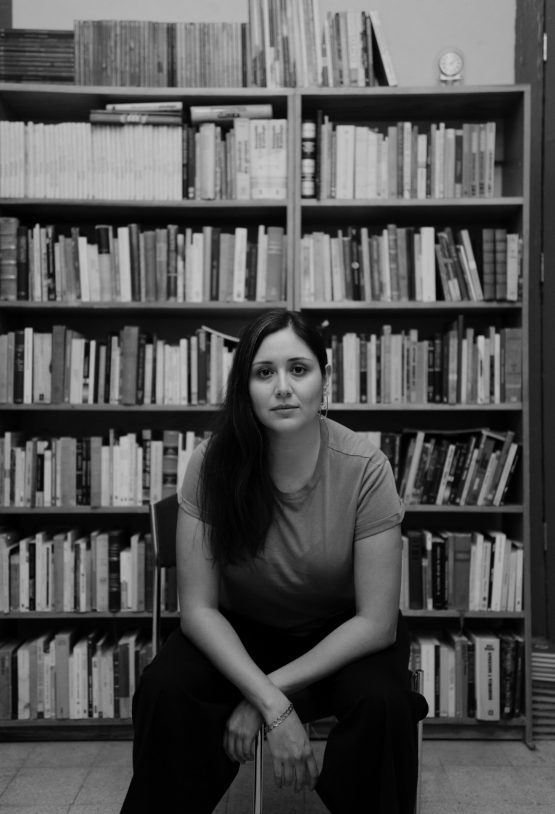
I’m a doctor in social psychology with a deep commitment to understanding and supporting mental health, well-being, and collective resilience. My work sits at the intersection of psychology, sociology, creative methods and social justice. Collaborating with academics, grassroots organisations, and NGOs around the world to explore and create ways for communities to thrive and fight structural barriers, I use music and other art forms as vehicles for resistance and change. Whether you’re here to learn about my research, explore possibilities for partnership, or inquire about my consultancy services, I’m glad you’ve found your way here!

{ I }–Research and projects

My work centres on mental health, well-being, resilience, social interventions, and creative methods. Drawing on my expertise in psychology and the arts, I design high-quality, evidence-based initiatives, programmes, and interventions that foster individual and community well-being.
 
I have extensive experience working with adolescents and young adults who have experienced trauma, as well as youth at risk. Using innovative, participatory, art-based methods, my projects aim to promote well-being and reframe mental health.
My research collaborations include Liverpool John Moores University, University College London and the United Nations High Commissioner for Refugees (UNHCR), with outputs ranging from peer-reviewed publications to accessible resources for the general public.

RESEARCH ARTICLES:

Recover with Music Role: Co-Principal Investigator Funding: Economic and Social Research Council (ESRC), UCL Impact Acceleration Grant Recover with music was an ESRC-funded project designed

Read more

Play it Loud! Crescendo Role: Principal Investigator Funding: Erasmus+, the European Youth Foundation and the Council of Europe. This research project aims to map barriers

Read more

{ II }–Equity, Inclusion and Diversity Projects

I design and lead initiatives that embed equity, inclusion, and diversity into the heart of organisations, communities and sectors. Through programmes, spaces, and events, I bring people together to learn, connect, and create change. From higher education to the music sector, my work amplifies underrepresented voices, challenges systemic barriers, and builds cultures where everyone can belong, contribute, and thrive.

Projects:

Play it Loud! Crescendo Role: Principal Investigator Funding: Erasmus+, the European Youth Foundation and the Council of Europe. This research project aims to map barriers

Read more

Melodies for Mindfulness Role: Co-Principal Investigator Funding: Liverpool John Moores University (LJMU) Melodies for Mindfulness is an intervention designed for neurodiverse women and gender non-conforming

Read more

{ III }–CONSULTANCY

My work supports organisations, teams, and event organisers who want to foster more inclusive, accessible, and participatory environments. I offer consultancy services focused on Equity, Diversity, and Inclusion (EDI), with a strong emphasis on practical, values-led implementation.

Consulting Projects:

I offer tailored consultancy services on Equity, Diversity & Inclusion (EDI), mental health, and community processes, supporting organisations to create meaningful, sustainable change. My approach

Read more

“We had the pleasure of working with Martha for a two-day training and work session focused on creating safer events and collaboratively developing a code…”

Read more

{ IV }–PUBLIC SPEAKING

I speak regularly at events, conferences, and media platforms on topics related to mental health, social justice, and Equity, Diversity, and Inclusion (EDI). My public speaking work includes guest lectures, keynote talks, podcast appearances, and panel discussions, where I bring an accessible, grounded perspective informed by both research and lived experience.

Whether addressing academic audiences, grassroots organisers, or broader publics, I aim to create space for empathy, honest dialogue, critical reflection, and practical action. Get in touch if you’d like me to speak at your event or moderate a panel. I’d love to collaborate and create meaningful conversations!

lastest–public speaking

Recover with music

A music-based intervention to promote psychosocial resilience in adolescents in crisis contexts (academic presentation) @ X Latin American and Caribbean Conference of Social Sciences, Bogota, Colombia. 

MMXXV

Ginefonías

Why do you need safer spaces in music? (radio interview) 

MMXXV

95.7 Radio

IPN Radio 95.7 FM, Mexico City, Mexico.

MMXXV

Behind the Scenes

Unpacking Gender Equality in the Music Ecosystem (panel moderator) @ Les Femmes S’en Melent x Muzika! Nouvelles Voix De Lituanie, Paris, France.

MMXXIV

Equity in Music Education

Equity in Music Education (panellist) @ European Forum on Music, Sofia, Bulgaria.

MMXXIV

INT. Women’s Day

International Women’s Day Meet and Greet (speaker) @ Youth Music Exchanging Notes, Online.

MMXXIV

European Forum on MusiC

Safer Spaces and Events (presentation) @ European Forum on Music, Budapest, Hungary.

MMXXIII

Mujeres en la Música

Mujeres en la Música (radio interview) @ SopitasFM X Radio Chilango 105.3 FM, Mexico City, Mexico.

MMXXIII

The Power of Music Podcast

The Power of Music for Gender Equality (podcast interview) @ The Power of Music Podcast, Strasbourg, France.

MMXXIII

{ V }–ACADEMIC PUBLICATIONS

Resilience, the process of successful adaptation to adverse circumstances, is traditionally studied as an individual characteristic. However, more recent multisystem perspectives underline the interrelatedness of systems, within and outside of the individual, in shaping coping and adaptation processes.

Read more

Disasters are distressing and disorientating. They often result in enduring community-wide devastation. Consequently, young people may seek support from trusted adults to scaffold their emotional responses and to support their psychosocial recovery.

Read more

Disasters leave survivors at heighted risk of negative psychological consequences. Teachers require post-disaster psychosocial support, given their added responsibility for supporting their students’ recovery. However, alongside coping with their own mental health, teachers often lack training to support students psychologically.

Read more

Disasters can result in poor psychosocial outcomes for adolescents. One pathway to mitigate these risks and foster resilience is via schools, where teachers can offer students support. However, existing research lacks consideration of the role schools and teachers play from the perspective of students, particularly those from marginalized populations.

Read more

Despite the potentially catastrophic nature of disasters, survivors can be highly resilient. Resilience, the capacity to successfully adapt to adversity, is both individual and collective.

Read more

COVID-19 has required researchers to adapt methodologies for remote data collection. While virtual interviewing has traditionally received limited attention in the qualitative literature, recent adaptations to the pandemic have prompted increased discussion and adoption.

Read more

Subjective wellbeing (SWB) encompasses experiencing positive emotions, the absence of negative emotions and judgments of life satisfaction.

Read more
This study shows that people understand pain through inconsistent experiential models that may resist attempts at conceptual integration.
Read more

{ VI }–TOOLS AND RESOURCES

Grounded in norm-critical pedagogy, the handbook offers both knowledge and tools for challenging exclusionary norms in music and youth work and introduces the Play it

Read more

The Melodies for Mindfulness workbook is an accessible, engaging resource designed for neurodiverse university students and staff. Blending adaptable mindfulness practices with creative, music-based exercises, the workbook supports emotional regulation and nurtures a sense of self-worth. Grounded in everyday application, it offers tools to build resilience, reduce overwhelm, and foster well-being. 

Coming soon

This upcoming report presents findings from mixed-methods research conducted across eight countries, exploring the barriers and enablers of intersectional participation in youth music projects.

Drawing on both qualitative and quantitative data, the report maps structural challenges, highlights promising practices, and offers actionable insights for organisations seeking to make music spaces more inclusive, equitable, and accessible for young people from diverse backgrounds.

Coming soon

© MARTHA LOMELI

recover with Music

Role: Co-Principal Investigator
Funding: Economic and Social Research Council (ESRC), UCL Impact Acceleration Grant

Recover with music was an ESRC-funded project designed to help female adolescent students overcome the lingering psychological effects from experiencing the devastating earthquake and tsunami in Central Sulawesi, Indonesia, in 2018. Due to the positive results obtained in fostering resilience, the intervention was awarded the UCL Impact Acceleration Grant to explore its potential for globalisation and the feasibility of being implemented in other crisis contexts. For this purpose, in 2024, we teamed with risk communication agency Pacifico, as well as with the United Nations High Commissioner for Refugees (UNHCR), to train teachers in different countries on how to conduct the intervention with the young refugees and forcibly displaced youth they work with. So far, Recover with Music has been implemented by local teachers and community facilitators in Jordan, Chad, El Salvador and Ecuador. 

I am currently looking for further partnerships with institutions and organisations to widen the impact of the intervention! For more information about Recover with Music and how to implement it, visit www.recoverwithmusic.org

Play it Loud! Crescendo

Play it Loud! Crescendo
Role: Principal Investigator
Funding: Erasmus+, the European Youth Foundation and the Council of Europe.

This research project aims to map barriers and good practices to foster intersectional participation in youth music projects, drawing on both qualitative and quantitative data across countries. The report will present structural challenges, promising practices, and actionable insights to inform organisations and stakeholders seeking to make music more inclusive, equitable, and accessible for young people from diverse backgrounds.

Play it Loud!

Play it Loud!
Role: Project Leader
Funding: Erasmus+, the European Youth Foundation and the Council of Europe.

Play it Loud! is an initiative by Jeunesse Musicales that promotes intersectional access to the music ecosystem for young people. Since 2021, Play it Loud! has generated knowledge and resources on barriers to participation and strategies for inclusion. The initiative has hosted capacity-building events for youth from underrepresented backgrounds and delivered training sessions and workshops at multiple events across Europe.

To learn more about Play it Loud! And see available resources, visit www.playitloud.live

Melodies for Mindfulness

Melodies for Mindfulness
Role: Co-Principal Investigator
Funding: Liverpool John Moores University (LJMU)

Melodies for Mindfulness is an intervention designed for neurodiverse women and gender non-conforming individuals studying or working in higher education. Divided into eight sessions, the program combines mindfulness practices with music-based activities to co-create affirmations that support emotional regulation and nurture self-worth. Participants are guided in cultivating attitudes and skills that promote psychological resilience in academic and professional environments.

We are currently developing a workbook and original soundtrack to support individuals in implementing the sessions at home. 

Equity, Diversity & Inclusion (EDI)

I offer tailored consultancy services on Equity, Diversity & Inclusion (EDI)mental health, and community processes, supporting organisations to create meaningful, sustainable change.

My approach combines strategic insight with deep cultural awareness, helping you bridge the gap between intention and impact. Whether you are an international institution or a grassroots collective, I adapt my methods to your context and needs.  

Whether you have a clear brief or are simply curious about how my skills could support your team or organisation, I’m always happy to have an exploratory chat about your needs and goals. Get in touch to start the conversation!

Areas of support include: 

  • EDI training and facilitation
  • Policy development 
  • Safer spaces strategies 
  • Inclusive communication 
  • Participatory evaluation and community feedback design 

Testimonies from previous clients:

“We had the pleasure of working with Martha for a two-day training and work session focused on creating safer events and collaboratively developing a code of conduct for the European Music Council and its members. 

From the outset, Martha brought a warm, welcoming approach that immediately set the tone for open and respectful dialogue. She carefully tailored the content to reflect the realities of the cultural sector and the specific needs of our diverse network.

What stood out most was her ability to create a space where all voices felt heard – she took time to ask thoughtful questions, responded to contributions with care and depth, and facilitated open discussion that truly valued everyone’s input” 

– European Music Council (UNESCO)

Psychological Resilience Following Disasters: A Study of Adolescents and Their Caregivers

Resilience, the process of successful adaptation to adverse circumstances, is traditionally studied as an individual characteristic. However, more recent multisystem perspectives underline the interrelatedness of systems, within and outside of the individual, in shaping coping and adaptation processes. This challenges the assumption that pathways to resilience are the same across the world, given the diversity in people’s contexts globally. In light of the preponderance of resilience research being conducted in higher-income countries, this study taps pathways to resilience in survivors of the 2018 earthquake-tsunami-liquefaction disaster in Central Sulawesi, Indonesia. Guided by a social representations approach and using a novel free association technique, forty caregiver-adolescent dyads (N = 80) who survived the disaster were interviewed regarding their subjective experiences of coping and adaptation. Thematic analysis of their narratives demonstrated that survivors focused on mutual supportreligious beliefs and intrapersonal psychological resources of seeking strength and calmness as routes for fostering psychological recovery. The results foreground group-specific aspects of such resilience: differences between caregivers and adolescents highlight how social roles and life stage shape resilience-related beliefs and practices. Moreover, the form their resilience takes is underpinned by sociocultural values of reciprocity and social cohesion. Thus, this paper points to similarities in resilience processes across contexts, but also to differences shaped by societal roles, developmental stage and cultural values.


The Role of Teachers in Fostering Resilience After a Disaster in Indonesia

Disasters are distressing and disorientating. They often result in enduring community-wide devastation. Consequently, young people may seek support from trusted adults to scaffold their emotional responses and to support their psychosocial recovery. An important non-familial adult in a student’s life is their teacher. However, few studies have examined teachers’ perspectives on the support they provide to students after exposure to disasters, such as earthquakes and tsunamis, particularly in low- and middle-income countries (LMIC) with collectivistic cultural orientations. Given the potential for teachers to foster students’ resilience, the goal of this study was to examine how teachers conceptualise their role following a major disaster. Forty teachers were interviewed from three schools in Central Sulawesi, Indonesia, after a major earthquake and tsunami in September 2018. Thematic analysis shows that teachers act as agents of community resilience after a disaster. The two themes presented converge on support-based aspects. Teachers provided: (1) psychoeducational support (i.e. supporting students’ well-being and educational continuity, including encouraging their return to school) and (2) practical support (i.e. assisting administrative roles, aid distribution and disaster risk reduction). Within these themes, socioculturally specific practices are elucidated, including the Indonesian value of mutual assistance (‘gotong royong’), storytelling (‘tutura’) and the role of religiosity as a form of psychosocial support. Overall, our results highlight the capacity and willingness of teachers to play a central role in the psychosocial recovery of students and their families, contributing to community resilience. We identify implications such as the importance of providing accessible psychological training and support for teachers.

Fostering resilient recovery: “An intervention for disaster-affected teachers in Indonesia”

Disasters leave survivors at heighted risk of negative psychological consequences. Teachers require post-disaster psychosocial support, given their added responsibility for supporting their students’ recovery. However, alongside coping with their own mental health, teachers often lack training to support students psychologically. This study addresses this gap by detailing an intervention designed to foster resilient recovery among secondary school teachers in Central Sulawesi, Indonesia, to enhance their ability to support both themselves and their students after a devastating earthquake/tsunami.

Teachers (n = 37) from three disaster-affected schools participated in a one-day workshop exploring collective strengths and strategies to develop their own and their students’ post-disaster resilience, featuring the Tree of Life activity. Impact was evaluated using a pre-post intervention design. Findings from a three month follow up demonstrated significant improvements across various resilience-related measures, including personal resilience, community resilience, social support, adaptive coping strategies, psychological help seeking, earthquake anxiety, post-traumatic stress, complex post-traumatic stress and fatalism. Open-ended survey responses indicated that most teachers reporting subjective improvements in their own recovery and their capacity to support students psychologically. This study emphasises the importance of creating teacher interventions underpinned by disaster recovery theory, which offer practical skills to foster post-disaster psychosocial recovery. While the intervention exhibits promising initial results, future research would benefit from an evaluation using a randomised control group.

Adolescent girls’ representations of the role of schools and teachers post-disaster: “second parents, second homes”

Disasters can result in poor psychosocial outcomes for adolescents. One pathway to mitigate these risks and foster resilience is via schools, where teachers can offer students support. However, existing research lacks consideration of the role schools and teachers play from the perspective of students, particularly those from marginalized populations. Therefore, this study examines adolescents’ representations of the role of schools and teachers after a major disaster in Indonesia using a free association interview technique. Thematic analysis of adolescents’ interviews (N = 46) yielded two salient themes: ‘the school as a place of recovery’ and ‘the school as a place of risk’. While the school and teachers were conceptualized positively in that they promoted students’ recovery, students also identified aspects of the post-disaster school environment that produced uncertainty, loss and discomfort thereby heightening their sense of risk. The paper concludes with recommendations for resilience-building, such as ensuring teachers receive relevant training.


Community Resilience after Disasters: “Exploring Teacher, Caregiver and Student Conceptualisations in Indonesia”

Despite the potentially catastrophic nature of disasters, survivors can be highly resilient. Resilience, the capacity to successfully adapt to adversity, is both individual and collective. Policymakers and academics have recently emphasised the importance of community resilience, but with little consideration of local survivors’ perspectives, particularly young survivors within low- and middle-income countries. Therefore, this exploratory study aims to give voice to disaster-affected caregivers, teachers and female adolescent students by examining their conceptualisations of community coping and priorities for resilient recovery following the 2018 Central Sulawesi earthquake and tsunami. A total of 127 survivors of the devastating disaster, including 47 adolescents, answered open-ended survey questions related to post-disaster resilience. A content analysis identified key constituents of community resilience. The results indicate that survivors highly value community cohesion and participation, drawing on the community’s intra-personal strengths to overcome post-disaster stressors. Student conceptualisations of and recommendations for a resilient recovery often differ from the views of important adults in their lives, for example, regarding the role played by the built environment, “trauma healing” and religiosity in the recovery process. These findings have implications for the design of disaster resilience interventions.

From Challenge to Opportunity: “Virtual Qualitative Research During COVID-19 and Beyond”

COVID-19 has required researchers to adapt methodologies for remote data collection. While virtual interviewing has traditionally received limited attention in the qualitative literature, recent adaptations to the pandemic have prompted increased discussion and adoption. Yet, current discussion has focussed on practical and ethical concerns and retained a tone of compromise, of coping in a crisis. This paper extends the nascent conversations begun prior to the pandemic to consider the wider methodological implications of video-call interviews. Beyond the short-term, practical challenges of the pandemic, these adaptations demonstrate scope for longer-term, beneficial digitalisation of both traditional and emergent interview methods. Updating traditional interview methods digitally has demonstrated how conversion to video interviewing proves beneficial in its own right. Virtual focus-group-based research during COVID-19, for example, accessed marginalised populations and elicited notable rapport and rich data, uniting people in synchronous conversation across many environments. Moreover, emergent interview methods such as the Grid Elaboration Method (a specialised free-associative method) demonstrated further digitalised enhancements, including effective online recruitment with flexible scheduling, virtual interactions with significant rapport, and valuable recording and transcription functions. This paper looks beyond the pandemic to future research contexts where such forms of virtual interviewing may confer unique advantages: supporting researcher and participant populations with mobility challenges; enhancing international research where researcher presence or travel may be problematic. When opportunities for traditional face-to-face methods return, the opportunity for virtual innovation should not be overlooked.


Subjective Wellbeing in Large Cities: a Comparative Analysis of London and Mexico City

Subjective wellbeing (SWB) encompasses experiencing positive emotions, the absence of negative emotions and judgments of life satisfaction. One might expect that individuals living in societal conditions that better fulfil predictors of SWB are happier than those living in less favourable conditions. However, levels of SWB in some Latin American countries are similar or even higher than those in some more developed countries in Western Europe, despite the well-documented social challenges faced within the region. This discrepancy highlights an important issue in SWB research: the discounting of diverse cultural factors in the construction of happiness. Bringing together social representations theory and cultural models, this thesis examines SWB in common sense thinking –and its underpinning cultural forces– of people living in London and Mexico City. Two cross-cultural studies were conducted using the Grid Elaboration Method (GEM), a novel free association and interview technique. In the first study, experiences of the city of 24 London and 24 Mexico City dwellers were investigated. Thematic analysis of the data suggested that representations of the self and the other guided participants’ emotional and cognitive experiences associated with living in the city. Moreover, it identified the special relevance that feelings of detachment and relegation from the environment had in London dwellers’ unhappiness and the influence that family had for Mexico City dwellers’ SWB. Building on these results, the second study examines in more depth the representation of family in 24 London dwellers and 24 Mexico City dwellers. Following the same methodology it was found that cultural values underpinned conceptualisations of relatedness and autonomy, which shaped participants’ practices and affective experiences associated with family. This work makes a unique contribution in contextualising the plethora of quantitative SWB data and invites the consideration of socio-cultural factors in the design and implementation of SWB-related interventions and policies.

Exploring how people with chronic pain understand their pain: a qualitative study

Objectives

A fundamental principle of pain management is educating patients on their pain using current neuroscience. However, current pain neurophysiology education (PNE) interventions show variable success in improving pain outcomes, and may be difficult to integrate with existing understanding of pain. This study aimed to investigate how people with chronic pain understand their pain, using qualitative exploration of their conceptualisations of pain, and how this understanding accommodated, or resisted, the messages of PNE.

Methods

Twelve UK adults with chronic pain were recruited through advertisements on online pain networks. Semi-structured interviews were conducted remotely, with responses elicited using the Grid Elaboration Method (GEM) and then a PNE article. Participants’ grid elaborations and responses to PNE were analysed using thematic analysis (TA).

Results

Three main themes were extracted from participants’ grid elaborations: communicating pain, explaining pain and living with pain. These themes incorporated varied, inconsistent sub-themes: of pain as simultaneously experiential and conceptual; in the body and in the mind; diagnosable and inexplicable; manageable and insuperable. Generalised, meta-level agreement was identified in participants’ PNE responses, but with doubts about its practical value.

Conclusions

This study shows that people understand pain through inconsistent experiential models that may resist attempts at conceptual integration. Participants’ elaborations showed diverse and dissonant conceptualisations, with experiential themes of restricted living; assault on the self; pursuit of understanding pain and abandonment of that pursuit. Responses, although unexpectedly compatible with PNE, suggested that PNE was perceived as intellectually engaging but practically inadequate. Experiential disconfirmation may be required for behavioural change inhibited by embedded fears and aversive experiences.

Play it Loud! Handbook

Grounded in norm-critical pedagogy, the handbook offers both knowledge and tools for challenging exclusionary norms in music and youth work and introduces the Play it Loud! Building Blocks: a set of actionable strategies to foster diversity, participation, and meaningful inclusion. 

Whether you’re planning a festival, running a youth programme, or shaping organisational culture, this resource is designed to give you a framework and actions to promote inclusion.